What brand activation actually means
Brand activation is the set of things that brings a brand to life in the market. If your strategy is the thinking and your identity is the look, activation is the bit where an actual person finally encounters the thing; picks it up, tries it, decides whether they care.
For a food, drink or wellness brand, that usually means some mix of:
- The retail launch: buyer meetings, distributor deals, that first listing win
- Trade activity: sampling, trade shows, in-store promotion
- A direct-to-consumer launch: website, paid social, email
- PR: press kits, founder interviews, samples sent to writers
- Influencer and creator partnerships
- Events, pop-ups and the moments where people actually meet the product
Some brands need all of it from day one. Most need a smaller set done properly. The trick is knowing which is which, and we spend a lot of our brand activation work helping founders pick.
How activation differs from strategy and identity
This is where most launches get muddled, so it’s worth being clear. The easiest way I’ve found to explain it is to think of a person.
Your brand strategy is the brain and the heart. It’s what you believe and why you exist, said as plainly as you can manage.
Your brand identity is the body. It’s how those beliefs take physical shape; the look, the voice, the feel.
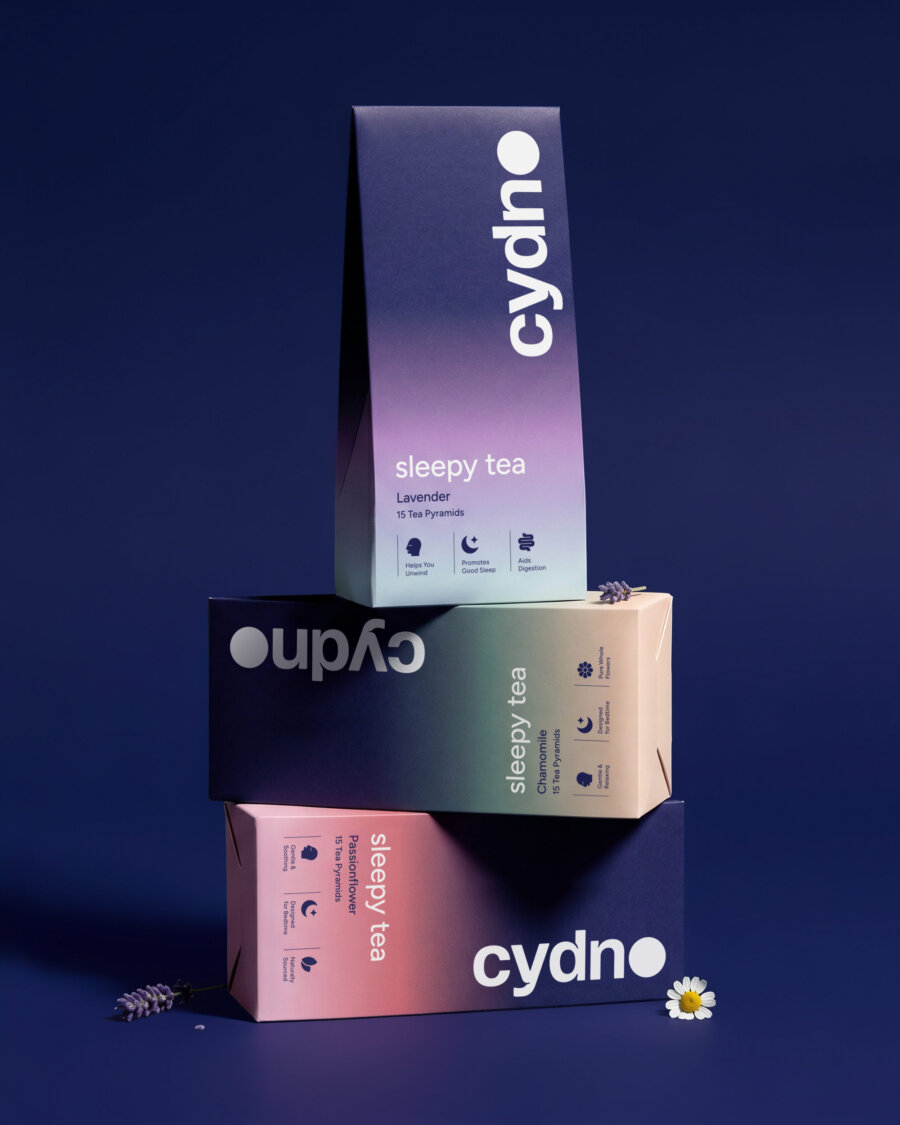
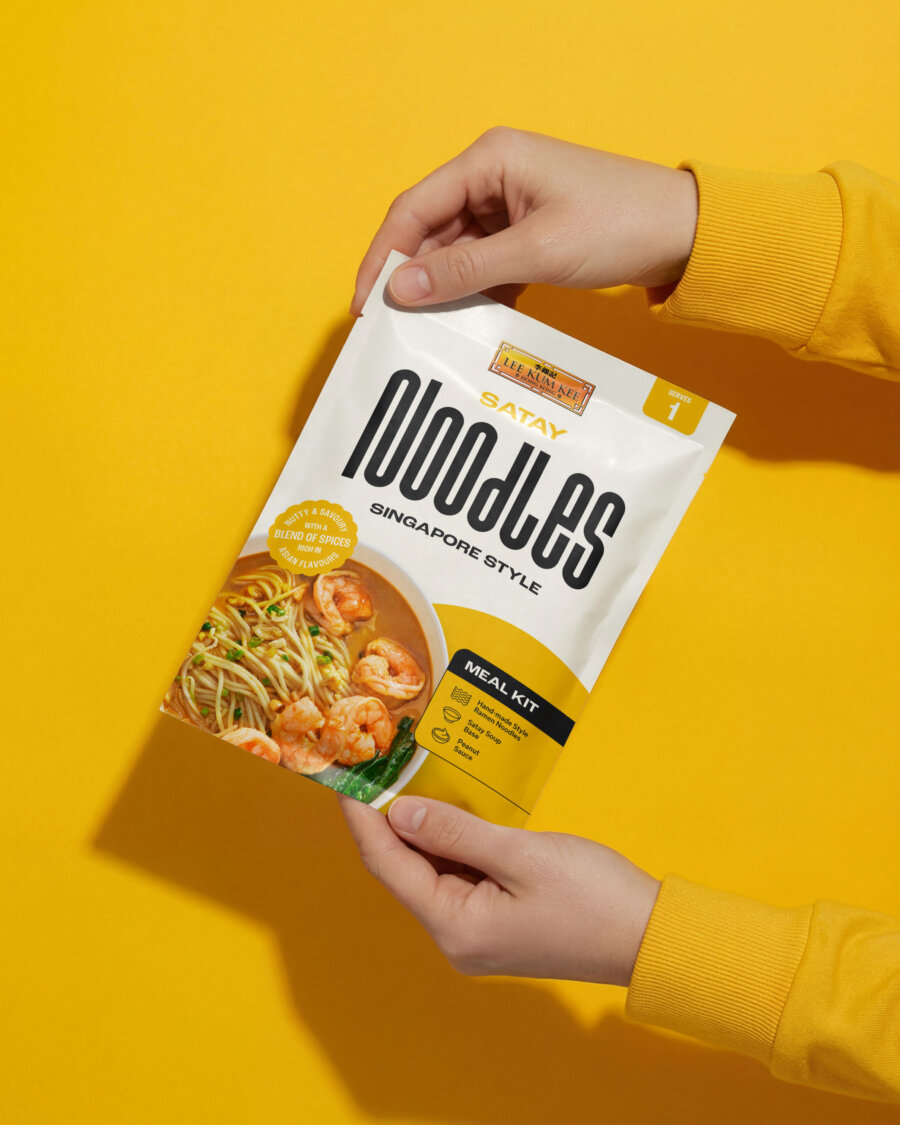
Your packaging is the clothes. It’s shaped by the strategy and worn by the identity, and on a shelf it’s usually the first impression anyone gets. (More on that in our packaging design work.)
And brand activation is everything you do once you’re dressed and out the door. The trade show you turn up to. The podcast you go on. The sampling table, the paid post, the launch. It’s the strategy and the identity finally meeting other people.
You can have a sharp brand strategy, a beautiful brand identity and still build a brand nobody ever meets. That’s an activation failure, and it’s more common than you’d think.
When founders actually need activation
Almost always, in some form. What changes is the intensity and the timing, and that mostly comes down to where the brand is in its life.
Pre-launch (nothing on shelf yet)
This is where most founders need the most help. You’re building toward a date, usually a buyer meeting or a first listing, and everything has to be ready at the same moment: the website, the social, the press kit, the sampling boxes. Activation here is the choreography that gets it all there on time.
Extension (adding a SKU)
You’ve got something that works and you’re adding a flavour, a format, or a new line. The activation is narrower but real. What’s the campaign behind it? Are the assets and the website ready before it lands?
Rebrand (changing an established brand)
The hard one. You’re updating a brand without losing the customers you already have. Here activation is as much about communication as production, bringing existing buyers along, and managing the messy period where the old and the new could potentially sit side by side on the shelf.
Awareness (an existing brand needs more reach)
Less of a launch problem, more of a saturation one. The job is getting in front of new audiences without watering down why you exist and what makes you, you.
What makes activation actually work
A few things, roughly in the order they get forgotten.
The first is timing. Plan activation while you’re still working on the packaging, not once it’s signed off. The expensive version of this mistake is leaving it to the end; you arrive with the deadline already close and the budget already thin, and everything after that is a compromise.
Then there’s the brand system itself. The stuff that looks lovely in a guidelines document has a habit of falling over in the real world. Colours that won’t print at scale. Type you can’t read at packaging size. Photography that costs more per shot than your whole launch budget. So you want the brand built around what it actually has to do out there, not around what looks neat in a pitch deck
A launch is also a sequence, not a single day, and that catches people out. Buyer meetings, sample sends, PR embargoes, paid campaigns, organic posts, listings going live, they all land in some order, and the order matters. Brands that activate well plan it. Most write a checklist and hope.
Lastly (and most often ignored): build for the second act. The launch buys you one news cycle. What you do in months two through twelve is the actual job, and you will want the tools and formats your own team can keep running, not a brand that needs the agency back for every post.
A real example: Heaven Soda
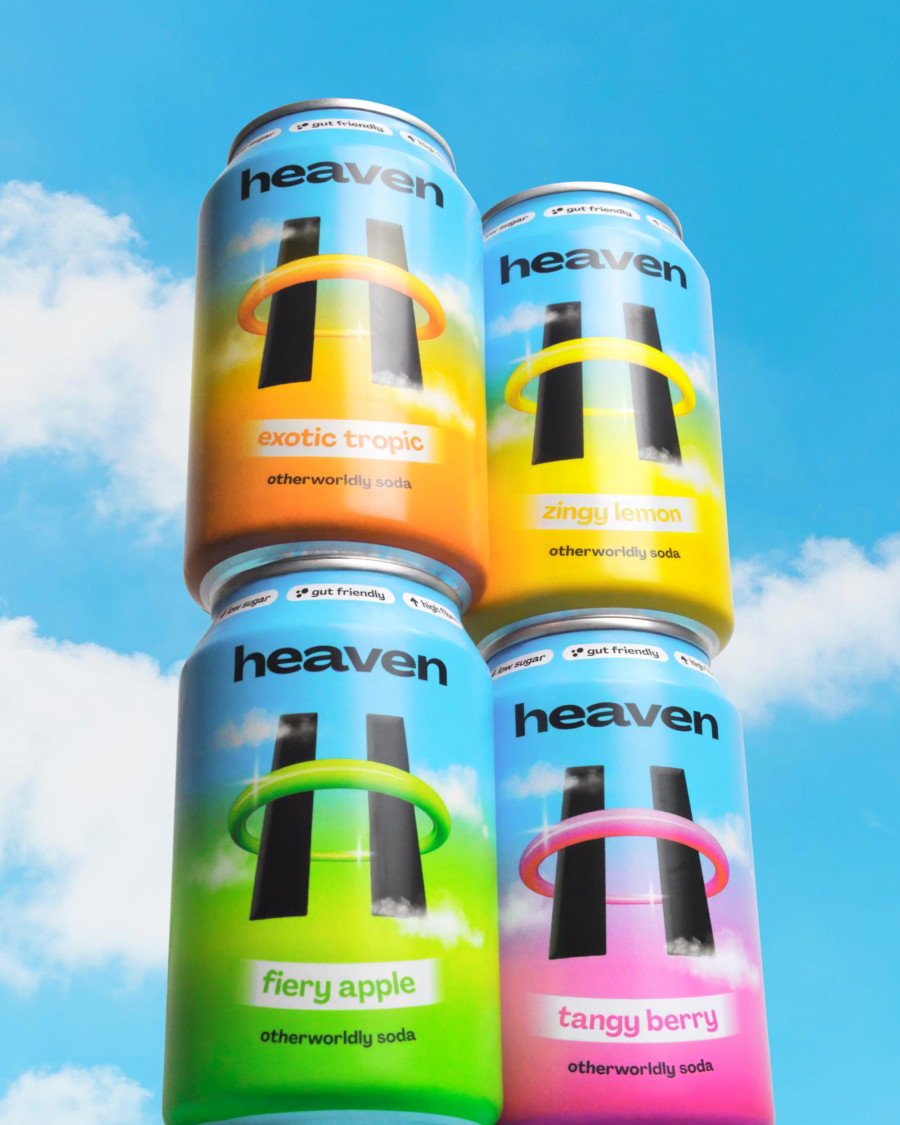
Heaven is our most recent example of activation we’ve shipped lately, a gut-friendly soft drink that came to us with category insight and no brand. We did the lot: strategy, identity, packaging, and the rollout that got the first range onto shelves.
What made it work wasn’t one clever decision. It was planning. By the time the packaging was signed off, they knew which retailers were being approached, what the socials will look like, who was getting a sample box in week one, and what the press story was. The packaging didn’t have to carry the whole launch, because everything around it was pulling its weight too.
The brands that struggle do it the other way round: build a gorgeous identity, sign it off, then start thinking about activation. By then everything’s reactive. With Heaven Soda, the activation was the brief from the start.
The mistakes that quietly kill activation
A handful we see again and again.
One is treating activation as marketing’s problem rather than the brand team’s. The trouble is that the strategy and identity calls made early are the ones that decide what activation is even possible later. Hand marketing a brand that wasn’t built with the launch in mind and they’re behind before they start.
Another is spending big on launch day and almost nothing on the year that follows. The brands that scale rarely have the biggest launches; they have the most consistent second years, which is a far less exciting thing to budget for and the reason it gets skipped.
There’s also the asset trap: only making what’s in the signed-off brief. Six months in, you’ll suddenly need a Veganuary execution, then a Christmas one, then something for a wholesale trade show. If the library only holds the launch campaign, each of those becomes its own little project.
Where to start if you’re a founder
If you haven’t started yet, two questions worth sitting with:
- What does the launch look like in twelve months, not twelve weeks? Most founders plan the launch event and not much else. The activation that compounds is the rhythm of the year after.
- Which audiences need to hear what? Consumers, trade and press each want a different version of the brand. Skip this and you end up with one message stretched thin across all three.
If activation’s already underway and stalling, the question we usually start with is: where did the strategy decisions and the activation reality come apart?
The short version
Brand activation is where a brand earns its place in the real world, the work that turns a strategy and an identity into something on a shelf, a founder on a podcast, a sample in someone’s hand. It’s where most of the budget tends to go, and, not coincidentally, where most of the launches we see go wrong. Usually because it was the last thing anyone thought about. Worth making it one of the first.
If you want a closer look at how we approach it, see our brand activation services. If you’ve got a specific launch in mind, get in touch.