Most clients who come to us have never commissioned packaging design before. They might know what they want it to look like (sort of), but they don’t know how the process works, how long it takes, or what they’ll need to provide along the way.
So here’s how it actually goes. Not the idealised agency version with neat phases and tick boxes, but what really happens when you work with a studio like ours.
What happens during the briefing stage?
Sometimes clients have a written brief. Sometimes the brief is a phone call and a few reference images on Pinterest. All work.
What we need to know, at minimum: what’s the product, who’s buying it, where will it be sold, and what’s the competitive set. If you can also tell us what you like and, more usefully, what you don’t like, that speeds things up.
If you don’t have a brief at all, that’s fine too. We’ll write one with you. It may take a couple of sessions or take one, but it is worth doing properly, because a vague brief leads to vague design. And vague design leads to vague target markets, which lead to confused consumers.
A good packaging design brief covers:
- Product details (ingredients, weight, shelf life, storage requirements)
- Target consumer (age, lifestyle, where they shop)
- Retail environment (supermarket shelf, independent deli, e-commerce, all three)
- Competitive set (who are you sitting next to on shelf?)
- Brand guidelines if they exist (logo, colours, fonts, tone of voice)
- Budget and timeline expectations
What happens during research and strategy?
Once we have the brief, the next stage is where we disappear for a bit. We look at your competitors on shelf. We look at what the category norms are and where the opportunities to break them might be. We think about what your packaging needs to communicate in the first three seconds someone sees it, and what it needs to communicate in the next thirty. The brief could change and morph which is normal, we are finding your why and who and that will reflect across the board.
The average shopper spends about 2 seconds looking at a product on shelf before moving on, with over 70% of purchase decisions being made in-store, so packaging does a huge amount of heavy lifting, it is worth the investment.
If we’re building a brand identity as well as packaging, which is often the case for new products, this is where the logo, colour palette, typography, and tone of voice get developed. The packaging design comes after this, not before. You can’t design a pack without knowing what the brand looks like.
This stage usually takes one to three weeks depending on scope. You won’t hear much from us during this time. We’re working, just not showing you anything yet. Some clients find this uncomfortable. But it’s better than showing you half-formed ideas too early, because early ideas are fragile and easy to kill before they’ve had a chance to develop.
Concept Development
How many design concepts will you see?
We come back with two or three creative directions. Not twenty. Not one.
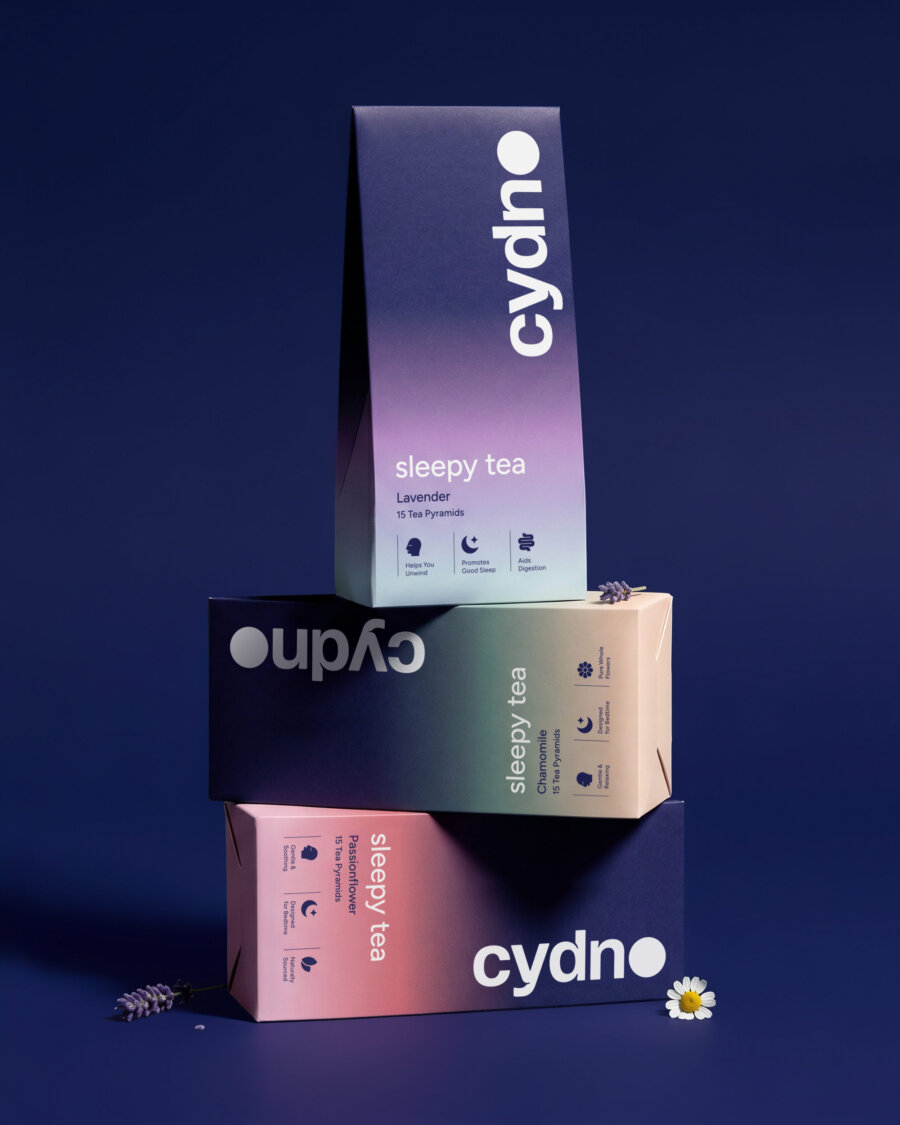
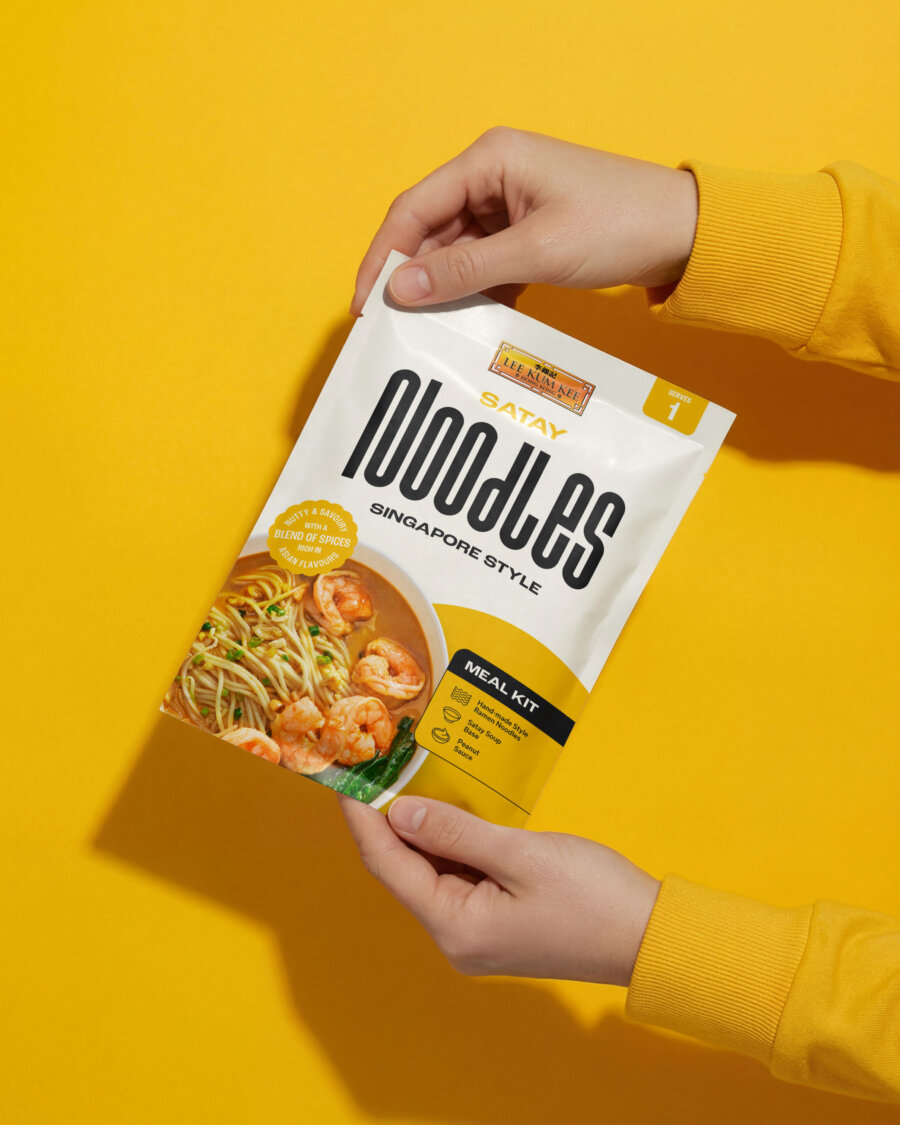
Each concept is presented as a mock-up so you can see what it would actually look like on the shelf or in someone’s hand. Flat artwork doesn’t tell you much. A 3D render of your product sitting next to the competition tells you a lot.
We’ll talk you through the thinking behind each one. Why we made the choices we made, what problem each direction solves, and where we see it going if you extend the range later. When we presented concepts for White Rabbit Pizza Co., we showed each direction mocked up in a fridge cabinet next to the competitors they’d actually sit beside. It completely changes how you evaluate a design when you see it in that context rather than floating on a white background.
What happens during design development?
This is where the chosen concept gets refined. The details get worked out. What happens when the pack is a different size? Properly working out how the flavour variants are differentiated? Any particular placement needed for the barcode or legal copy? What the back of the pack looks like (everyone forgets about the back of the pack, but people do read it, and your packaging is your single biggest advert for your product, so why only design half of it? ).
For range design, this is where the system gets stress-tested. When we re-designed the packaging for Phizz, the identity and packaging system had to work across sachets, tubes, and retail boxes. Each format has completely different dimensions and print constraints. This is where you find out whether the system actually holds together.
There are usually two or three rounds of revisions at this stage. Sometimes more, depending on how many stakeholders are involved. If your CEO, your marketing director, and your mum all have opinions, it takes longer. That’s not a dig. It’s just reality.
Artworking & Production
What does the artwork stage involve?
Once the design is signed off, we produce print-ready artwork. This is the technical bit that most people outside the industry don’t think about, but it’s where a lot can go wrong if it’s not handled properly.
Correct colour profiles (CMYK for litho, spot colours for Pantone matches, RGB only for screen). Bleeds set to the printer’s specification (usually 3mm, but varies). Die lines matched exactly to the packaging supplier’s template. Resolution at 300dpi minimum. Font outlines so nothing shifts. Overprint settings for black text.
We work directly with your printer or packaging supplier to make sure the files are exactly what they need. Different printers have different requirements, and different print methods (litho, flexo, digital, screen) have different constraints. A design that works beautifully on a digitally printed rigid box might need adjusting for flexo on a flexible pouch. The ink laydown is different, the colour gamut is different, and the registration tolerance is different. We handle all of it.
How does proofing work?
Before anything gets printed at scale, you’ll get a proof. Sometimes a digital proof (a colour-accurate PDF), sometimes a physical proof (an actual printed sample). For anything high-value we always push for a physical proof because screens lie.
This is your last chance to catch mistakes. Spelling, weights, allergen info, barcode scans, and colours against your brand guidelines. Go through everything. We do too, but two pairs of eyes catch more than one.
What happens during production?
Then it prints. This part isn’t our job, but we stay involved. If the printer flags something, we help to deal with it. Colours not popping as much on the production run as they did on the proof, we help figure out why. If there’s a last-minute change to the legal copy (happens more than you’d think), we turn the revised artwork around ASAP. We are here to help!
How long does the whole packaging design process take?
The calendar time is always longer than the working time because of the gaps between rounds. We send concepts, you review them, there’s a meeting, decisions get made, and we move to the next stage. Those gaps add up. The fastest projects are the ones where the client reviews quickly and commits to decisions rather than revisiting them.
What makes the difference between good and bad packaging design?
Shelf presence.
Does it get noticed? Not “does it look nice on a mood board”, but does it get picked up by someone scanning forty products in the same category with about three seconds of attention to give.
A clear idea.
The best packaging we’ve designed has one strong thought behind it. Our work on Gr8nola is a good example. The bold number-8 device and purple colour scheme carries the brand thing. The worst packaging we’ve seen (not ours, hopefully) tries to do everything and ends up saying nothing.
Range thinking.
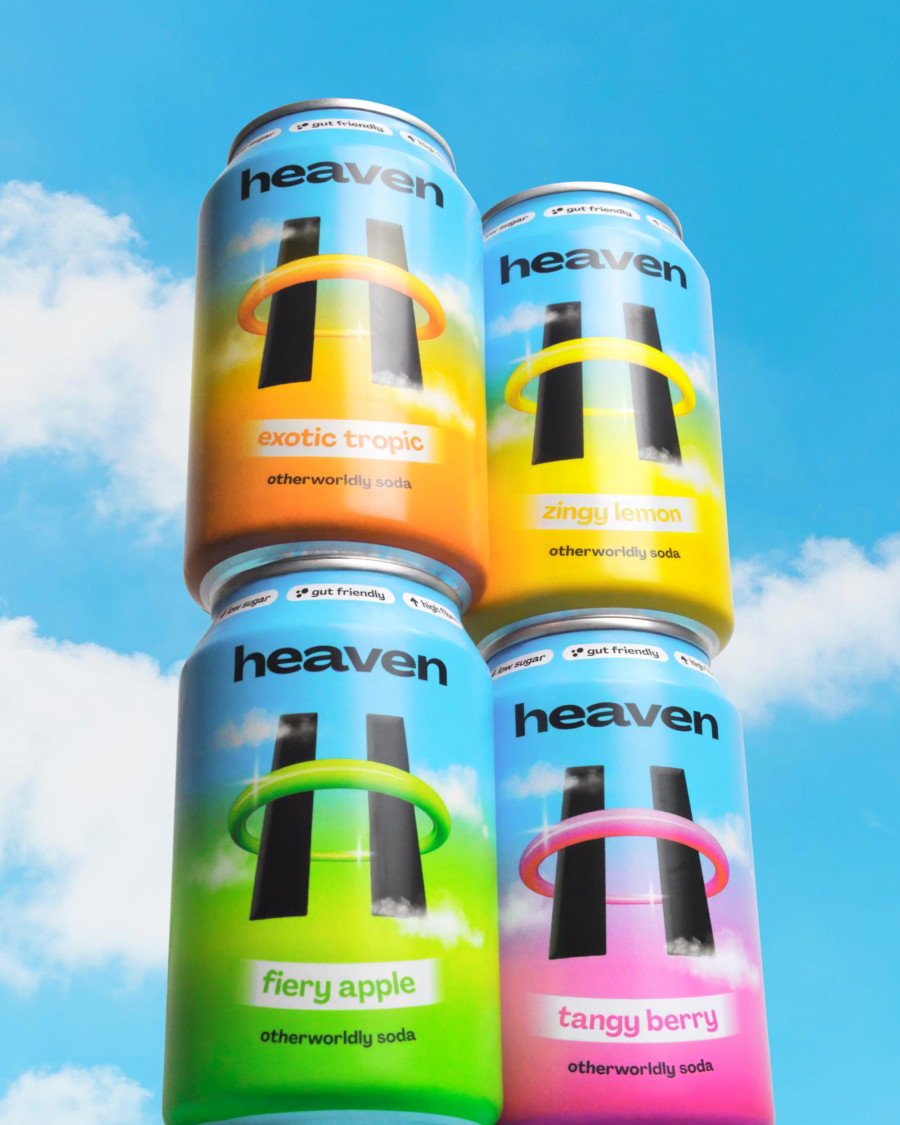
If you’re launching one SKU now but plan to have six next year, the packaging needs to work as a system. The flavour differentiation needs a logic to it. The layout needs to hold up across different product names, weights, and legal requirements without falling apart. That’s what separates packaging design from graphic design. We’re designing a system, not a poster.
Want to talk about your project?
If you’re thinking about commissioning packaging design, Get in touch. We can talk through what’s involved, give you a rough idea of cost, and put a proposal together.