The Shelf: a three-second war you can’t win politely
The shelf is still where most FMCG sales happen. Around 80% of UK grocery is still bought in physical stores. The shelf is still the cathedral.
But the shelf has changed. Three seconds is the polite estimate of how long a shopper spends scanning a category before reaching. Three seconds. And in those three seconds you are competing against two forces most agencies underestimate.
One: own-label has eaten the middle. Tesco Finest, M&S Food, Waitrose No.1. These aren’t supermarket brands anymore. They’re design studios with distribution. If your pack looks “premium-ish” but tired, you’re now competing with the cheaper own-label.
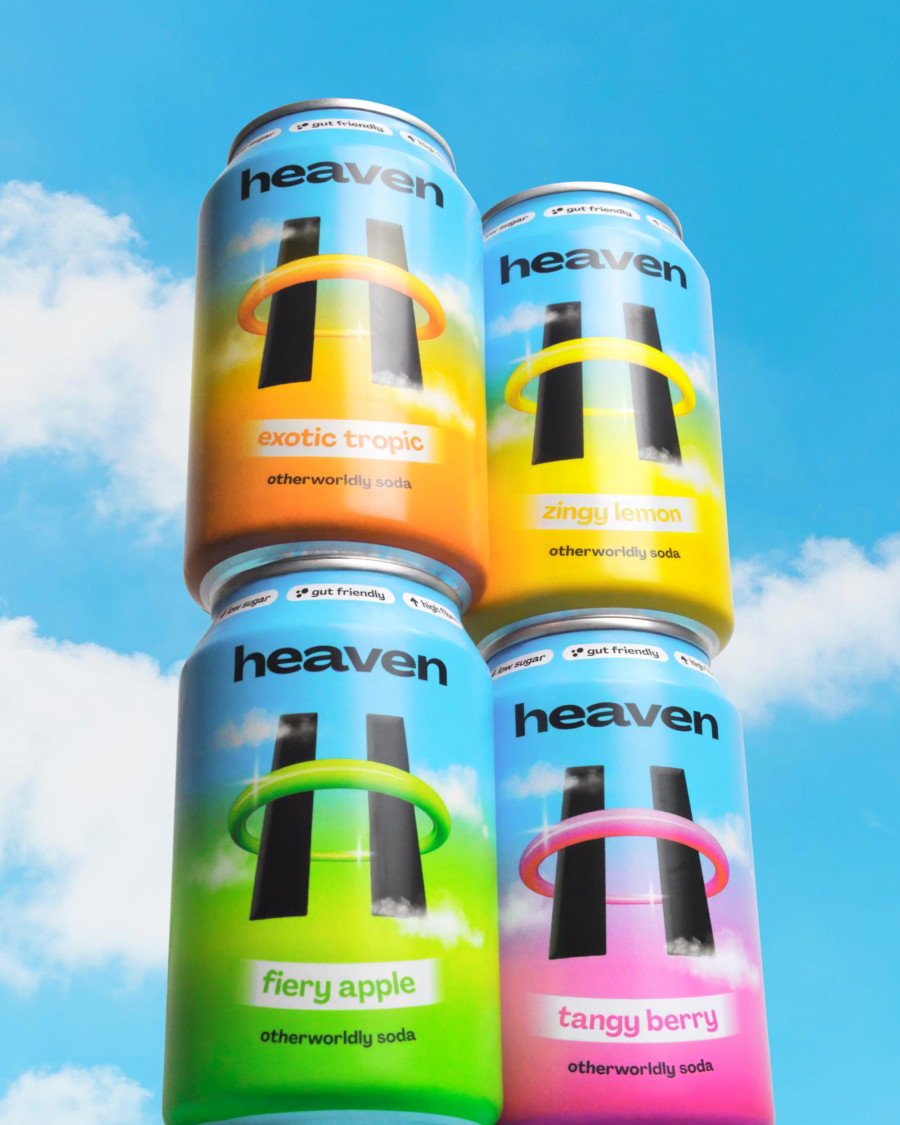
Two: challenger brands have rewritten the rulebook. Liquid Death turned bottled water into a death-metal act. Surreal made cereal an Instagram brand. Trip slid into the soft drinks aisle wearing pastel colours, and nobody who saw it on the shelf, forgot it. These brands didn’t out-design Coca-Cola. They out-differentiated it. There’s a difference, and the difference is worth eight-figure exits.
The shelf rewards two things: instant category fluency, so the shopper knows what aisle they’re in, and instant difference, so they pick you and not the eight other things that look like you. Hit both and you win that battle. Miss either and you go to end-cap, then to clearance, then to a “we’re pivoting” LinkedIn post from the founder.
Most packaging design agencies are still reasonably good at this. The Industry has been at it since the 1950s. The bar is higher than it was, but the playbook is mature.
The problem is, the shelf is now only one of three places your pack has to fight.
The Hand: the moment most briefs never pay for
Your customer has bought you. Congratulations. You spent the marketing budget to get here. Don’t waste it.
What happens next is the moment most FMCG brands brief away as “a print spec.” It isn’t. It’s the moment your brand either becomes a habit or a regret.
The hand is the tactile moment: the weight of the bottle, the seal that pops or picks a fight, the matte finish that doesnt quite pop like the others, the tear-strip that mangles your logo on opening. It’s the kitchen counter, the gym bag, the desk, the camera-roll of someone unboxing you on TikTok for 40,000 of their followers.
Three things matter here, and most briefs ignore all three.
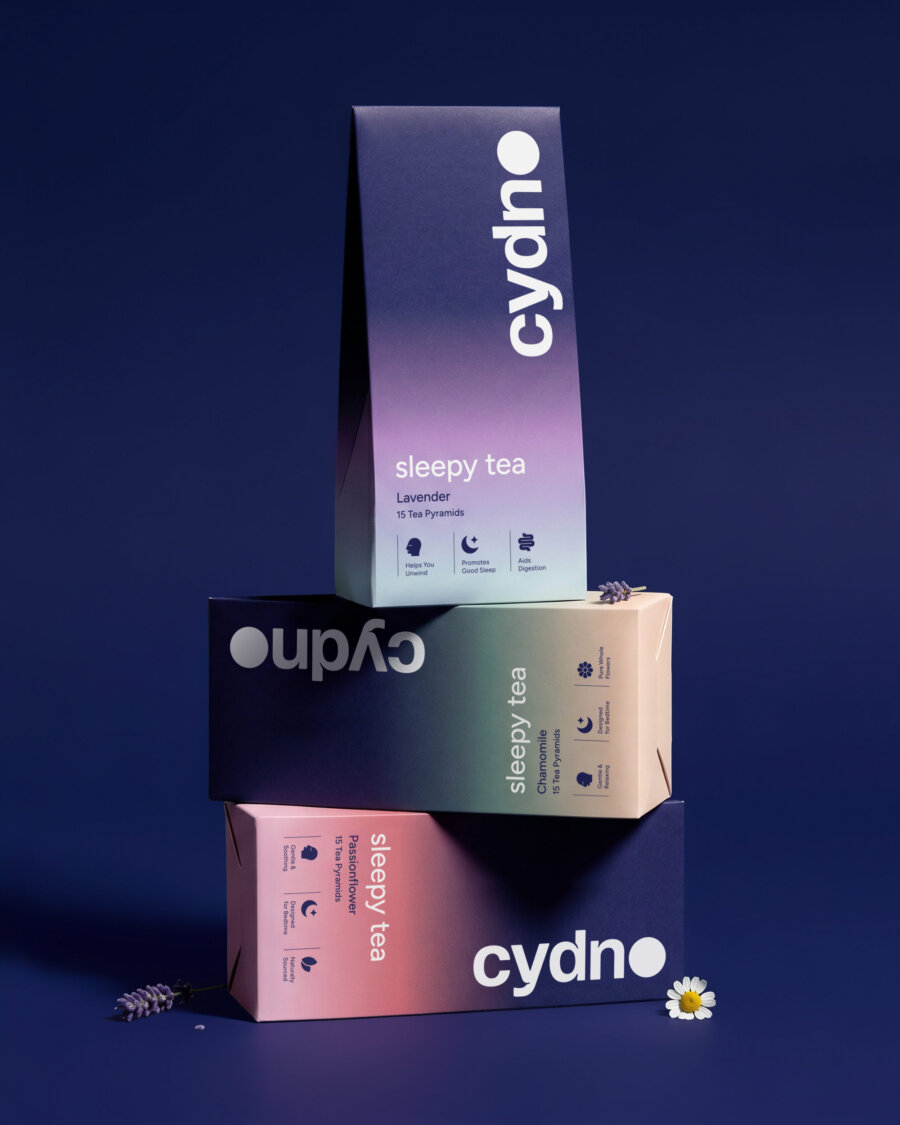
Tactility has to confirm the shelf’s promise. A pack that looked premium but feels like a pound-shop sticker job at home is a brand-trust deletion. Crosta & Mollica’s boxes don’t just look artisan, they feel like something you wouldn’t bin. We sweat this stuff at Deuce because the maths is brutal: it costs roughly 5x more to acquire a new customer than to keep an existing one, and the hand is where you begin the work to keep them.
Reduce, reuse, recycle.
Gen Z and younger millennials will quietly defect from a brand that puts mixed-material packaging in their hand without a clear recycling story. Not loudly, on Twitter. Quietly, by not buying it again.
The Screen: where most FMCG brands still pretend they don’t live
Here’s where it gets ugly.
Online grocery is now a serious chunk of UK FMCG and growing in every category that matters. On Tesco.com, your hero image is roughly 200×200 pixels. On Amazon, it’s a thumbnail in a grid of competitors. On Instagram, it’s a smudge inside a Stories tile. On TikTok Shop, it’s fighting a creator’s face for attention.
If your front-of-pack hierarchy was designed for a 70cm shelf-bay at eye level, it dies on a 6.1-inch phone.
Remember Tropicana’s 2009 packaging redesign, famous for costing the brand about $30 million in sales in two months. Most people remember the redesign as “ugly.” It wasn’t, particularly. The real cause was that the new pack lost its instant category recognisability at thumbnail size on a supermarket app. Tropicana didn’t have a design problem. It had a screen problem, before anyone had a name for one.
The digital shelf has its own rules.
The brand block has to be readable at 80 pixels. If your logo or category cue disappears at thumbnail size, you don’t exist online.
The pack has to photograph well. Some of the best-shelving packs in the UK photograph badly under flat retailer lighting. Reflective foils, deep blacks, fine debossing — gorgeous in real life, gone on a Tesco.com hero shot.
The pack has to do a job your shelf never asked of it: tell a story in a square. Your Instagram tile, your Tesco.com hero, your Ocado scroll. None of them gives you a back of pack. You have one image, one moment, one square.
This is the brief most brand design agencies still aren’t structurally set up to solve. They design for print and then export the design as a screen ready image.
What this should mean for your next brief
If you’re writing a packaging or branding brief in the next quarter, three small changes will save you a lot of money.
Ask your agency to show you the work at 80 pixels, not 80 centimetres. If it doesn’t feel like your brand on a phone, it doesn’t feel like your brand anywhere that matters in 2026.
Brief the hand, not just the eye. Spec the tactility, the open, the dispose. These are not engineering decisions to push to a manufacturer. They are brand decisions, and they need to be made before you sign off the visual.
Demand a single team that owns brand, packaging, and digital-shelf application. The reason most FMCG packs fail at one of the three is that they were designed by three different teams who never spoke to each other. At Deuce we keep teams small precisely so the same designers who solve the shelf are the ones solving the thumbnail. There is no internal handover, because there is no internal anyone-else.
A brand design agency that only thinks about logos is solving a 1995 problem. A packaging design agency that only thinks about shelf is solving a 2005 problem. The brief for 2026 has to win on the shelf, in the hand, and on the screen; or your brand will lose share to one that does. Slowly at first, then all at once.
Let’s talk
If you’re an FMCG brand, a procurement lead, or a founder about to write the brief that decides the next two years of your P&L, let’s have a conversation. We’re a small London-based brand and packaging design agency. You work directly with the designers building your brand, not a layer of account managers. And we built the studio around the shelf, the hand, and the screen because that’s where your customer actually lives.
Get in touch. Tell us what you’re launching, refreshing, or rescuing. We’ll tell you, honestly, whether we’re the right team for the job.