Start before you write a word
Three questions do most of the work:
1). Who exactly are you talking to? Not “millennials” or “health-conscious shoppers”, an actual person you could describe.
2). What’s the one thing you want them to take away? One. If everything’s important, nothing lands.
3). Why should they believe you? A claim without proof is just noise on a shelf already full of it.
If you can’t answer each of those in a sentence, stop writing. No amount of wordsmithing downstream will rescue a fuzzy idea, and every hour spent polishing sentences before the thinking is done is an hour wasted. This is the unglamorous end of brand copywriting, and it’s the bit most brands skip. It shows.
Pin down the tone of voice
When we build a tone of voice with a client, we land on a small set of words and then define each one properly. The words on their own are table stakes. Plenty of brands could call themselves warm or confident. The description underneath is what makes a word usable: what it means in practice, where the line sits, what it sounds like in an actual sentence. “Playful, but never at the customer’s expense” gives a writer something to work with. “Playful” alone doesn’t.
Three or four words, each with a clear description and a line of copy showing it in action, will guide anyone who writes for the brand, from the founder to a freelancer picking it up cold. We’ve written more on this in our piece on why tone of voice matters.
Where to actually begin: steal from real speech
The best lines are usually found, then written. Interview the founder and record it. Read every customer review, the five stars and the one stars. Sit in on a tasting, a sales call, a market stall on a Saturday. People describe products in ways no copywriter would invent, and that language is gold because it’s already how your buyer thinks.
Then write the one-liner before anything else. The single sentence version of the brand. It doesn’t need to be clever or even public. It’s what you’d say across a table if someone asked what the brand is. Every headline, pack claim and web page after it is really that sentence refracted for a different context. If the sentence is mushy, everything downstream inherits the mush.
The writing itself
A few rules carry most of the weight. Specificity beats superlatives. “Sicilian lemons, picked in spring” persuades where “the finest ingredients” doesn’t, because you can check it. Vague claims read as filler because they are filler.
Write like you talk, then tighten. Read it aloud. If you’d never say it to a person across a table, cut it. Watch for words that only exist in marketing: solutions, elevate, curated.
Show personality instead of claiming it. Being funny once beats calling yourself playful a hundred times. Innocent never wrote “we’re quirky” on a smoothie bottle. They printed “stop looking at my bottom” on the base and let you find it.
And edit hard. First drafts are you explaining the thing to yourself. The copy happens in the cutting.
Different surfaces, different jobs
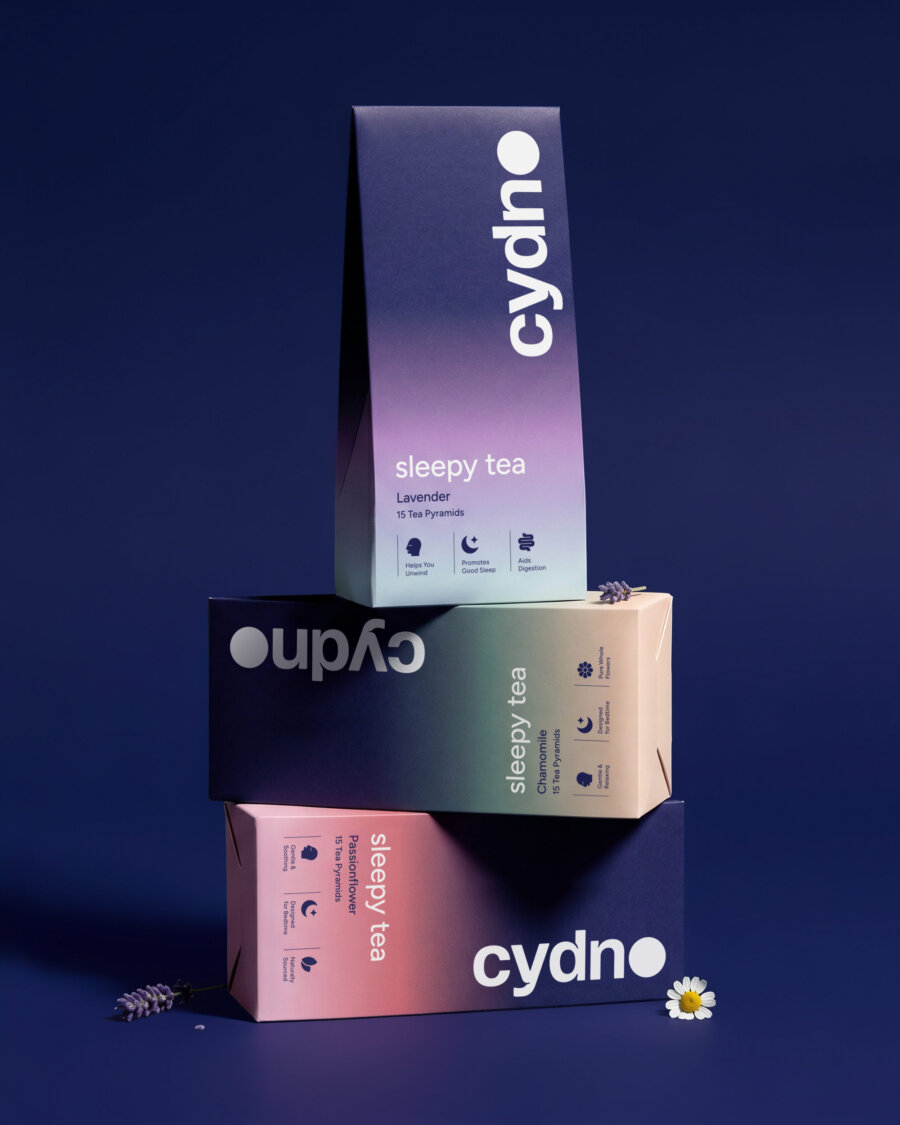
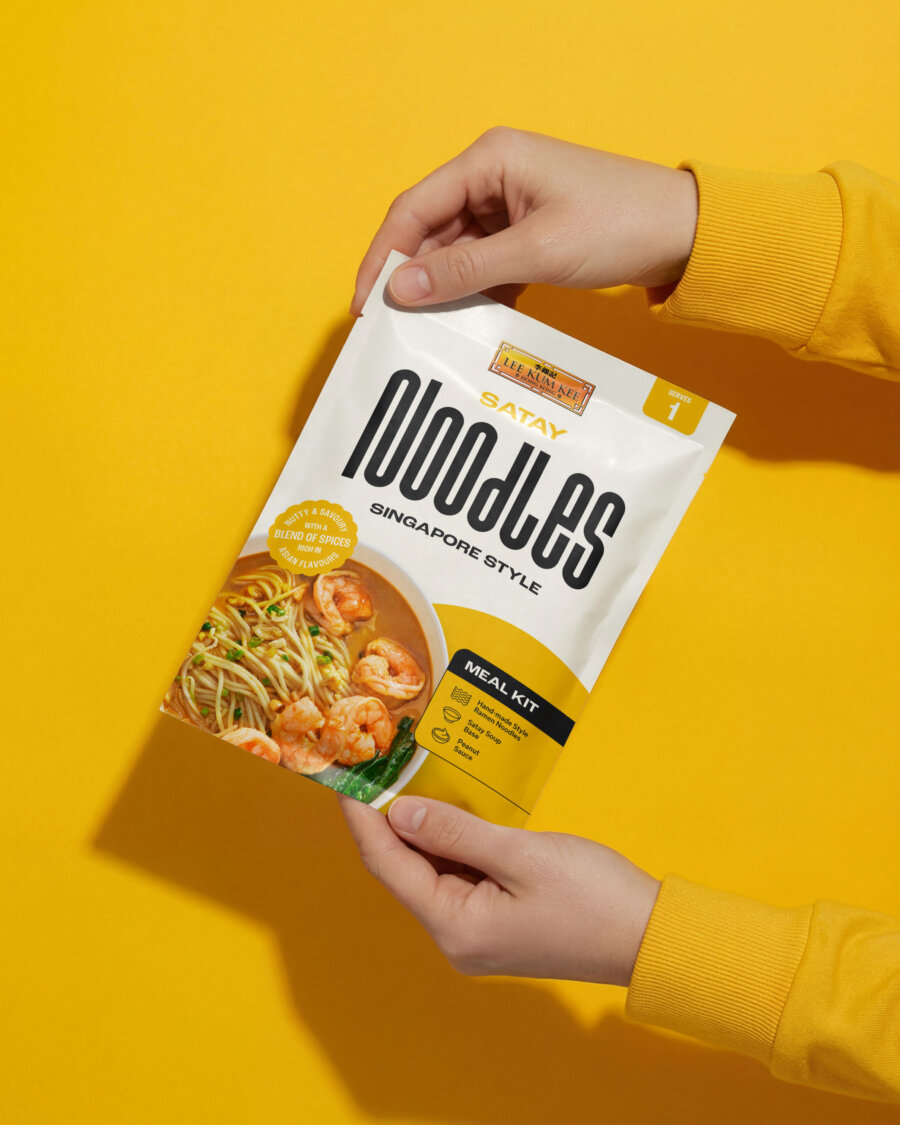
Copy doesn’t do one job. A front of pack has about two seconds to be understood at arm’s length, so it carries information: what it is, who it’s for, why this one. Personality lives in the margins. The back of pack, the delivery email, the error page, the line tucked under the barcode. Those are the moments a brand gets to be liked, because nobody needs them to work.
Knowing which moments carry clarity and which carry charm is what makes a voice feel coherent rather than relentless. A brand cracking jokes in the allergen information has misread the room. We’ve covered how shoppers actually read packs in our piece on packaging design psychology.
Where brand copywriting sits in the bigger build
None of this happens in isolation. The voice gets defined during brand strategy, alongside values and positioning, because how you sound is a strategic choice about who you’re for. The writing then runs through everything the brand identity touches: packs, website, social, the lot. That’s why copywriting sits inside our identity and packaging work rather than bolted on at the end.
If you’re staring at a blank doc trying to make your brand sound like something, the doc isn’t the problem. Start with the decisions. Or get in touch and we’ll start them with you.